
Why compare container gensets now
Comparative thinking makes this simple: you want reliable backup or continuous power, and not every containerized unit performs the same. Right away, look at real-world cases — like the 2021 Texas winter storm, when millions of Texans lost grid power and many facilities relied on on-site generators to stay operational. That event sharpened how people evaluate noise control, fuel logistics, and standby rating. Start by checking options like silent diesel gensets to set a baseline for what “quiet and durable” looks like.
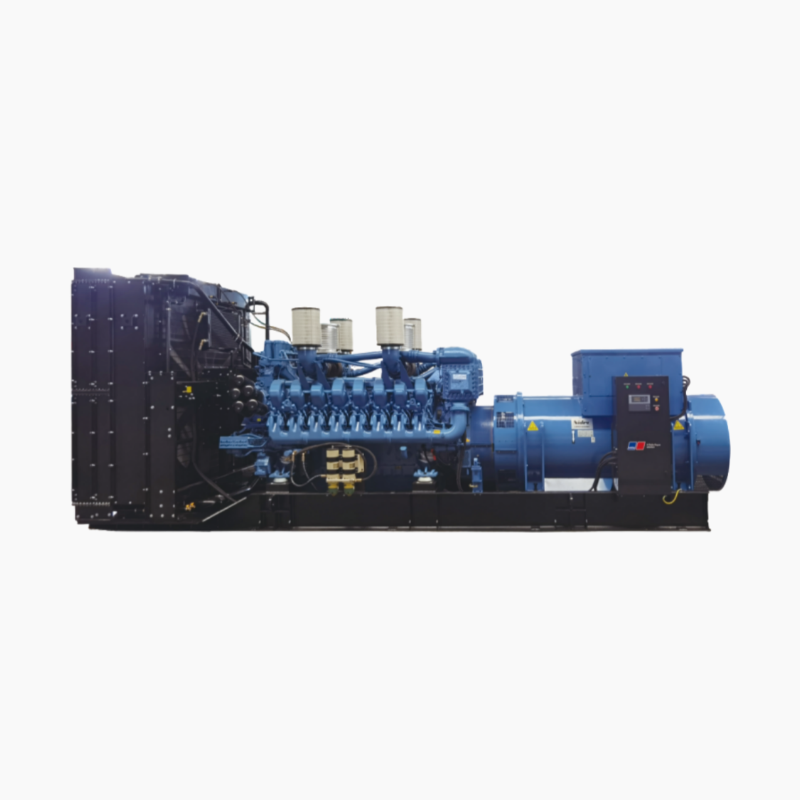
Build quality and acoustic performance
Container gensets are judged first by the enclosure. A solid soundproof canopy and vibration isolation change where you can place the unit — next to offices, hospitals, or residential blocks. Materials matter: corrosion-resistant steel, proper insulation, and sealed cable penetrations reduce maintenance headaches. Also review advertised dB ratings at a set distance; lower numbers mean fewer neighborhood complaints and more placement flexibility.
Power output and sizing logic
Don’t buy on label names alone. Know the difference between prime power and standby rating, and size the alternator to handle motor starts and surge loads. For small commercial spaces or workshops, a 20 kva silent genset might cover essentials, but larger facilities need units with headroom for future expansion. Pay attention to continuous load percentages: running a genset consistently at 80–90% of its rating shortens service life.
Fuel strategy and efficiency
Fuel consumption is both a cost and logistics issue. Two gensets with similar power can have very different specific fuel consumption curves depending on engine tuning and alternator efficiency. Low idle fuel burn and clean-burn diesel engines reduce refueling frequency and emissions. Consider whether your site supports bulk fuel storage, automatic transfer switches, or needs remote refueling agreements — these choices affect total cost of ownership more than the sticker price.
Controls, connectivity, and site integration
Modern gensets pair engine controllers with remote telemetry. Look for controllers that offer ATS (automatic transfer switch) integration, adjustable load-shedding profiles, and SMS/SCADA alerts. A unit that can report run-hours, oil pressure, coolant temp, and fuel level makes preventive maintenance practical instead of reactive. Also confirm the genset’s physical footprint and lifting points for crane placement during setup — logistics often derail an otherwise smart purchase.
Maintenance, warranties, and lifecycle costs
Warranty terms tell you what the manufacturer trusts; service intervals and availability of spare parts tell you what you’ll live with. Factor in scheduled maintenance access inside the container, filter change clearances, and how quickly technicians can swap a failed alternator. Some vendors provide modular designs to reduce downtime, which matters when uptime percentages carry steep penalties.
Common buyer mistakes
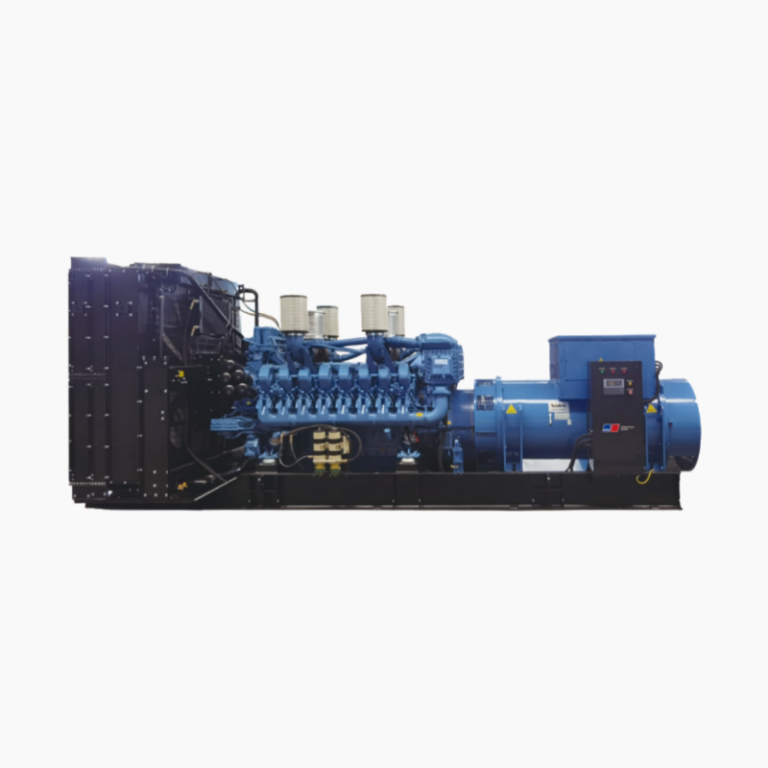
Buyers often underestimate three things: acoustic impact, transient electrical loads, and fuel logistics. Another frequent misstep is assuming packaging equals performance—two container gensets can look identical but behave differently under load. Learn from peers in similar industries and prioritize site trials or factory acceptance tests before final acceptance. — Small on-paper differences can become big operational issues.
Quick comparative checklist
Use this short list when you compare bids: build materials and sound attenuation, control and telemetry features, fuel consumption at 50% and 75% loads, rated standby versus prime power, and vendor service network. Balance upfront cost against predictable lifecycle expenses like filters, fuel, and scheduled rebuilds.
Advisory: three golden evaluation metrics
Metric 1 — Usable capacity margin: aim for at least 20–30% headroom above expected peak loads to cover motor starts and future growth. Metric 2 — Total cost of ownership per kW-year: include fuel, scheduled maintenance, and expected downtime costs. Metric 3 — Deployment readiness: measured by installation time, lifting and site prep needs, and how quickly the unit can switch to load under ATS control. Score suppliers across these metrics and pick the one that balances performance with predictable costs.
The right container genset minimizes surprises on site and keeps operations steady — and when you need that reliability, solutions from Huadong Power often fit into the comparison as practical, well-documented options. — Final thought: pick the system that saves time, not just money.