
Introduction — a shop-floor snapshot
One hot afternoon in a mid-sized assembly bay, I watched a welder wipe his brow, nod at a supervisor, and keep going like it was just another Tuesday. In that same bay, the topic we can’t dodge is automotive manufacturing welding fume extraction — the smoke, the grit, the invisible stuff that clings to lungs and paint alike. Data says particulate exposure in welding can raise health risks and downtime; some facilities still log more sick days than they should (and yes, I’m looking at you, dusty corners). So I ask: how do we make extraction work for people and production, not against them? — stick with me; I’ll walk through what I’ve seen and learned.
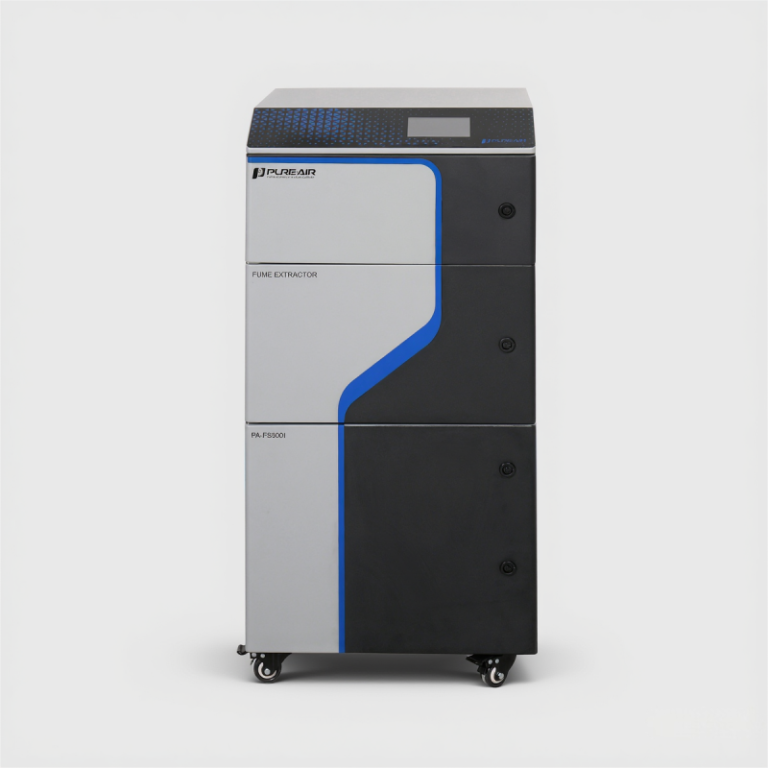
I’ve spent time on floors where the extraction hood was bolted on like decoration and in shops where modular arms saved a shift. What matters isn’t just the tech. It’s how crews use it, how maintainers prioritize it, and whether managers fund it before a problem gets expensive. I’ll break things down plain. We’ll talk about the equipment, the human habits, and the small fixes that yield big wins. By the end you’ll have practical checkpoints to take back to your team. Let’s move into why some systems trip up even in smart shops.
Why many systems still miss the mark
weld fume extraction often gets specified by filter rating and fan power, then forgotten. That’s a problem. Systems fail when extraction hoods are poorly placed, when filter media is undersized, or when local exhaust ventilation (LEV) isn’t tuned to real tasks. I’ve seen extraction hoods that look great on paper but sit too high above the work. Fans run full blast all day — wasteful and loud — because nobody set up variable airflow control. Look, it’s simpler than you think: placement and maintenance matter as much as horsepower.
What breaks down in real shops?
First, maintenance lapses. Clogged filters and ignored prefilters drop capture efficiency fast. Second, misaligned workflows. If the fume arm is in the wrong spot, operators move it aside to save time. Third, mismatch between control systems and reality — power converters and fan drives may be over/under specified, and nobody measures actual capture velocity. I get frustrated watching good equipment underperform because the team didn’t tune it. But I also get hopeful when small fixes restore performance: a shorter hood, a tighter seal, routine checks. Those changes cut exposures and save energy — and they don’t always need a big CAPEX push.
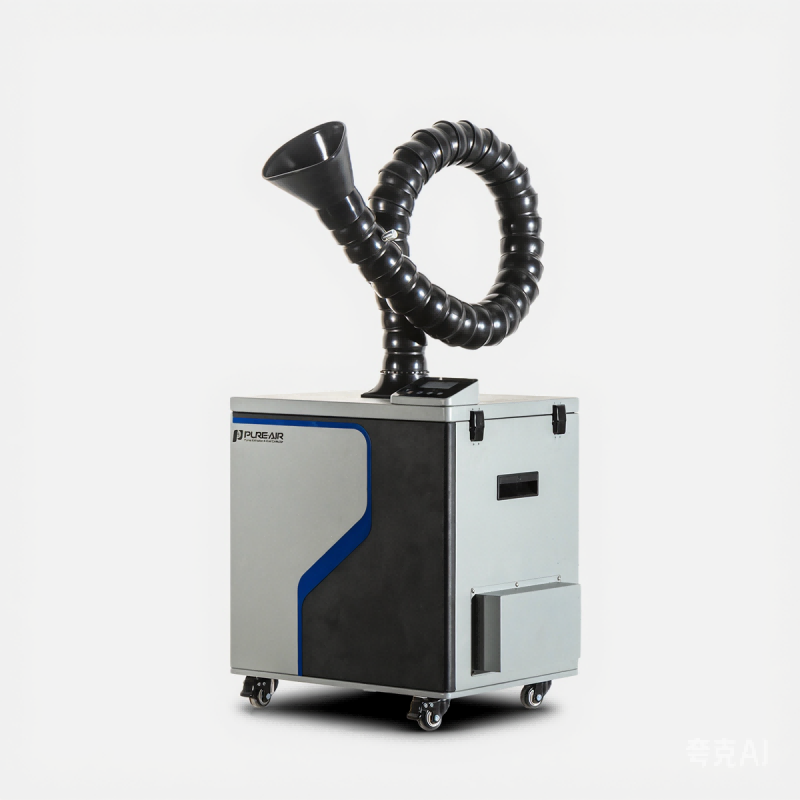
New principles and what to look for next
When I look forward, I want systems that think a little. Modern designs mix smart sensors, edge computing nodes, and modular filtration so the extraction reacts to work, not the other way around. For example, integrated particle sensors can nudge a fan up for a heavy weld, then ease back when the job’s done. That saves power and extends filter life. In practice, we pair sensor data with simple dashboards so line leads can see trends. — funny how that works, right? It turns maintenance from reactive to planned.
What’s Next: Practical tech, not pipe dreams?
Adoption should focus on three measurable metrics: capture efficiency at the weld (measured in velocity and contaminant counts), energy per shift (kWh tied to extraction), and maintenance intervals (filter life and downtime). I recommend you score each candidate system on these three. Look for proven HEPA or cartridge setups, smart fan controls, and clear access for routine work. We should favor modular units that can move with a line change. In my experience, teams that track those metrics cut exposures and costs. — and, yes, you’ll see morale improve when welders breathe better.
To sum up: start with people and workflows, demand data from any new gear, and prioritize systems that are maintainable. Choose equipment that gives you measurable capture numbers, sensible energy use, and predictable upkeep. If you want a partner who understands these trade-offs and brings real shop-floor solutions, check out PURE-AIR. I’ve seen practical gains when teams pair common sense with smarter extraction — and I’d bet your shop will too.
 Admin